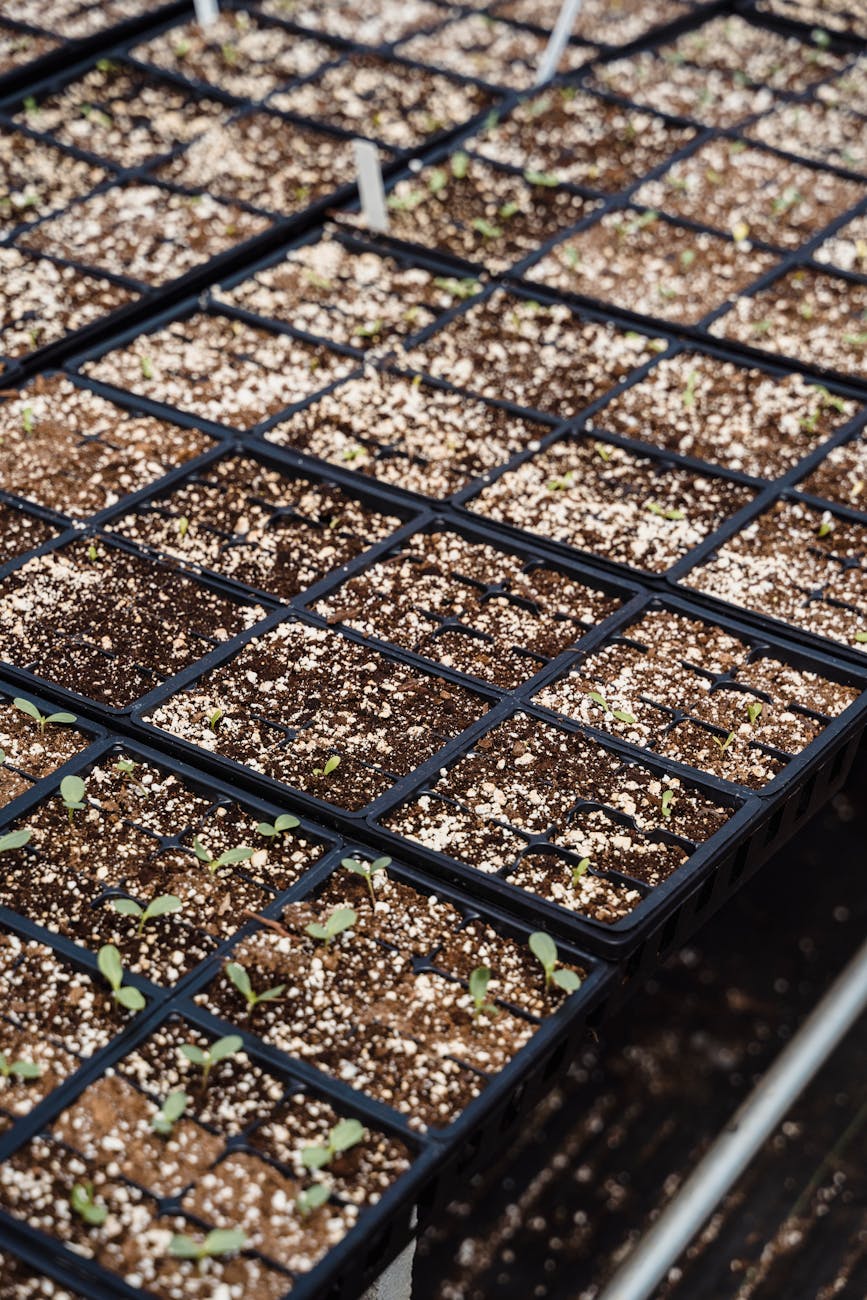
The eternal question for indoor growers: should you grow all your plants at once (batch/sequential), or stagger them for continuous harvests (perpetual)? Beyond convenience, there’s a significant yield difference between these methods.
The Short Answer
Perpetual harvest typically produces 50-80% more yield annually from the same flower zone. The efficiency gain comes from one simple fact: your flower space is always working.
Understanding the Two Methods
Batch (Sequential) Growing
With batch growing, all your plants move through the cycle together:
- Start all seeds/clones at once
- Veg together for 4-6 weeks
- Flip to flower together
- Harvest everything at once
- Clean, reset, repeat
The problem: Your flower space sits empty during veg time and cleanup. That’s 6-8 weeks of downtime per cycle where your most valuable space — the flower zone — produces nothing.
Perpetual Harvest
With perpetual harvest, plants are staggered so you harvest continuously:
- New plants start every 1-3 weeks
- Plants move to flower when ready
- Harvest one (or a small batch) every 1-3 weeks
- Flower zone is always full
The advantage: Your flower space never stops producing. There’s no downtime.
Calculate the Difference
Use this calculator to see the actual yield difference for your setup:
Same flower zone capacity for both methods
Plan your perpetual rotation visually with Plantegia
Why the Difference is So Large
Let’s break down a real example with a 4-plant flower zone:
Batch Growing Math
- Veg time: 4 weeks
- Flower time: 8 weeks
- Cleanup/reset: 2 weeks
- Total cycle: 14 weeks
- Cycles per year: 52 ÷ 14 = 3.7 cycles
- Plants per year: 4 × 3.7 = ~15 plants
Perpetual Harvest Math
- Flower time: 8 weeks
- Flower slots: 4
- Harvest every: 8 ÷ 4 = 2 weeks
- Harvests per year: 52 ÷ 2 = 26 harvests
- Plants per year: 26 plants
That’s 73% more plants from the same flower space.
The Hidden Cost of Perpetual
Perpetual isn’t free — it requires a separate veg zone. You need:
- Extra tent or space
- Second light on different schedule (18/6 for veg)
- More management overhead
- Better tracking system
For the example above, you’d need 2 veg slots (plants in veg for 4 weeks, new one every 2 weeks).
Is It Worth It?
| Factor | Batch | Perpetual |
|---|---|---|
| Yield/year | Lower (~15 plants) | Higher (~26 plants) |
| Space needed | Single zone | Two zones |
| Complexity | Simple | Moderate |
| Harvest rhythm | Bulk every 3-4 months | Steady every 2 weeks |
| Equipment cost | Lower | Higher (2x lights) |
When Batch Growing Makes Sense
Perpetual isn’t always the answer:
- Limited space — If you can only run one zone, batch is your only option
- Just starting out — Learn the basics before adding complexity
- Seasonal growing — If you only grow part of the year
- Processing preference — Some prefer bulk processing over continuous work
When Perpetual is Worth It
Go perpetual if:
- You have space for two zones — Even a small veg area helps
- You want steady supply — Fresh harvest every 2-3 weeks
- You’re maximizing yield — Squeezing most from your flower space
- You enjoy the process — More ongoing engagement with your garden
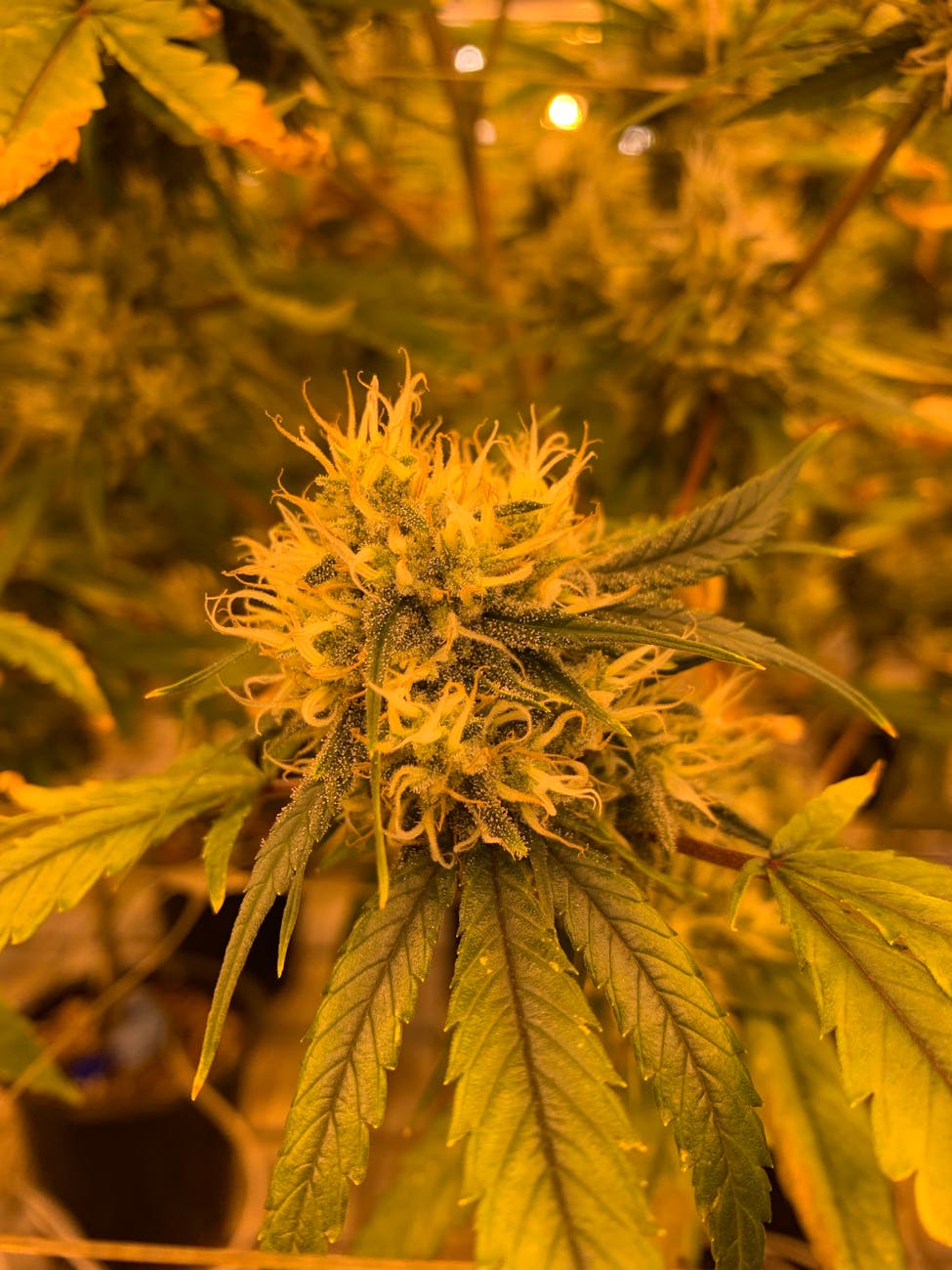
Making the Switch
If you’re currently doing batch and want to try perpetual:
Week 1-2
Start your normal batch in veg. Begin planning your veg zone.
Week 4-6
When first batch moves to flower, start second batch in veg.
Week 8-10
Start third batch. You now have plants at three stages.
Week 12+
Your perpetual pipeline is running. From here, just maintain the rhythm.
Tips for Maximizing Perpetual Yield
- Same strain initially — Different flowering times complicate scheduling
- Consistent veg duration — Keep plants similar sizes
- Track start dates — Label everything
- Plan for clones — More consistent than seeds
- Use planning tools — Spreadsheets or dedicated apps
The Bottom Line
Perpetual harvest isn’t just about convenience — it’s about efficiency. By keeping your flower zone continuously occupied, you can harvest 50-80% more annually from the same space.
The trade-off is complexity and needing a second zone. But for growers who can accommodate it, the yield difference is substantial.
Plan Your Rotation Visually
Calculating plant numbers is step one. Plantegia helps you see the full picture — when each plant starts, moves to flower, and harvests — across all your spaces on a visual timeline.
Stop juggling spreadsheets and start seeing your entire operation at a glance.